
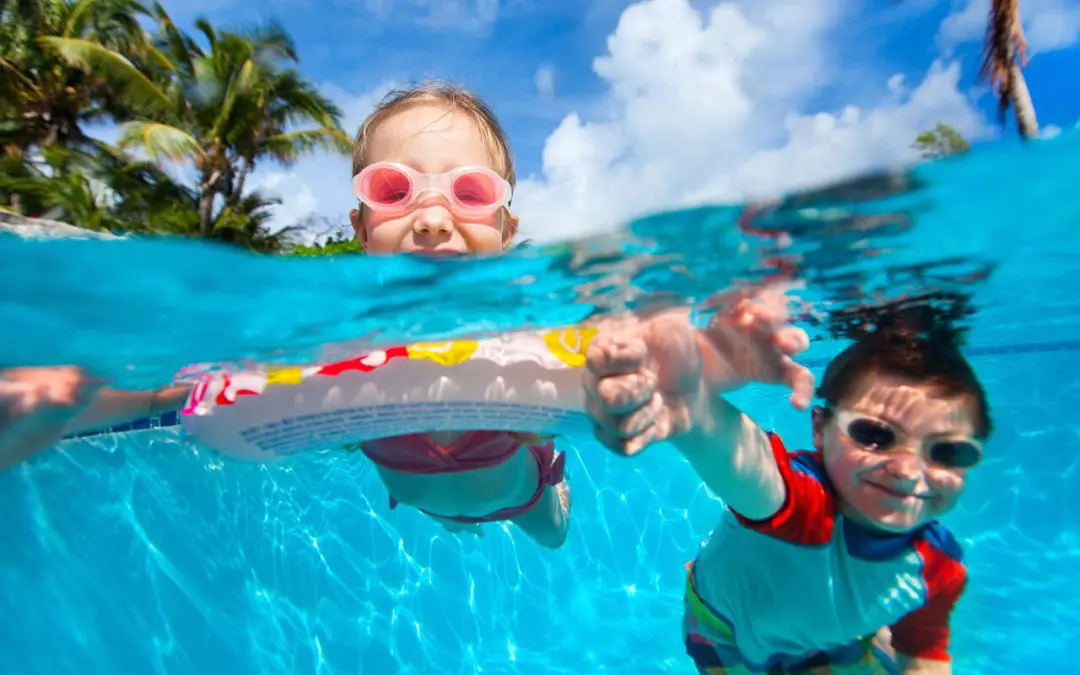
A backyard pool is one of the most enjoyable features a home can offer, and one of the most serious safety responsibilities a homeowner can take on. Drowning is one of the leading causes of accidental death in children under five, and the vast majority of those tragedies occur in residential pools. Pool safety is creating the conditions that make fun possible without preventable risk. For homeowners with pools, getting this right is non-negotiable.
Why Pool Safety Requires More Than Good Intentions
Good intentions don’t prevent drowning. Constant supervision, layered physical barriers, and a household where pool safety rules are consistently followed, those are what prevent drowning. Children can enter the water in seconds, often silently, without the splashing most adults associate with a drowning scenario. The moments that matter most are when attention lapses, which is why passive safety measures like barriers and alarms matter alongside active supervision. Pool safety is also a legal responsibility in many jurisdictions. Most states require pool fencing, self-closing gates, and drain covers that meet federal safety standards. Understanding and complying with local requirements is a condition of proper homeownership.
Fencing and Barriers: The Foundation of Pool Safety
A properly designed fence is the single most effective pool safety measure available. Four-sided fencing reduces drowning risk dramatically compared to three-sided fencing that uses the house as one wall. A child who wanders through an unlocked door can still reach the pool with three-sided fencing; four-sided isolation prevents this entirely. Pool fencing should be at least four feet tall, five feet is better, with vertical slats spaced no more than four inches apart. Gates must be self-closing and self-latching, with the latch on the pool side and positioned high enough that a young child cannot reach it. Check gates and latches regularly; components wear over time, and a gate that doesn’t fully close provides no protection. Door alarms on any house doors that open directly to the pool area add a critical additional layer, alerting adults when a door is opened unexpectedly.
Supervision and Rules That Actually Work
No barrier replaces active supervision, and active supervision means one designated adult watching the water. Designating a “water watcher” who rotates responsibility with other adults at gatherings prevents the diffusion of responsibility that leaves pools unsupervised. Pool safety rules should be established and reinforced consistently: no running on the deck, no diving in shallow water, no swimming without an adult present. Children who understand the rules and the reasons behind them are more likely to follow them. Swimming lessons are one of the most significant pool safety investments a family can make. Children with formal instruction are significantly less likely to drown than those without, though lessons should never replace supervision and physical barriers.
Pool Safety Equipment Every Pool Owner Should Have
A well-equipped pool area includes items that can make the difference in an emergency. A reaching pole and life ring at the pool edge give rescuers a tool to assist a distressed swimmer without entering the water. A first aid kit and a charged phone should be within easy reach at all times. Drain cover safety deserves particular attention. Suction from pool drains can trap swimmers with dangerous force. Virginia Graeme Baker Pool and Spa Safety Act-compliant drain covers are federally required and should be inspected regularly. If your drain covers are more than a few years old or show damage, replace them promptly.
Frequently Asked Questions
What type of pool fence is most effective for pool safety?
Four-sided isolation fencing that surrounds the pool is the most effective barrier. The fence should be at least four feet tall with no horizontal rails that provide climbing footholds. Gates should be self-closing and self-latching with the latch on the pool side.
At what age can children swim unsupervised?
No age is truly “unsupervised” around a pool. Even strong adult swimmers can experience cramps or medical events in the water.
Do pool alarms replace the need for fencing?
No. Pool alarms are a valuable additional layer, but should never replace proper fencing and gate systems. Alarms can malfunction or trigger after a child has already entered the water. The most effective pool safety approach uses alarms in addition to barriers, not instead of them.
Should I have a life ring and a reaching pole even if I’m a strong swimmer?
Absolutely. A reaching pole or life ring allows a rescuer to assist a distressed swimmer without entering the water. A panicking swimmer can push a rescuer under in their distress. Having proper pool safety rescue equipment on hand is a basic responsibility of pool ownership, regardless of swimming ability.
How often should I inspect my pool’s safety equipment and barriers?
Fencing, gate hardware, drain covers, and rescue equipment should be inspected at the start of each swim season and after any significant weather event. Gate latches and hinges wear with use and weather exposure; a gate that worked last season may not latch reliably this one. Monthly checks during swim season are a reasonable standard for any active pool safety equipment.
Reliable Real Estate Inspections, LLC provides inspections to customers in Hilton Head and the surrounding areas. Contact us to request our services.