
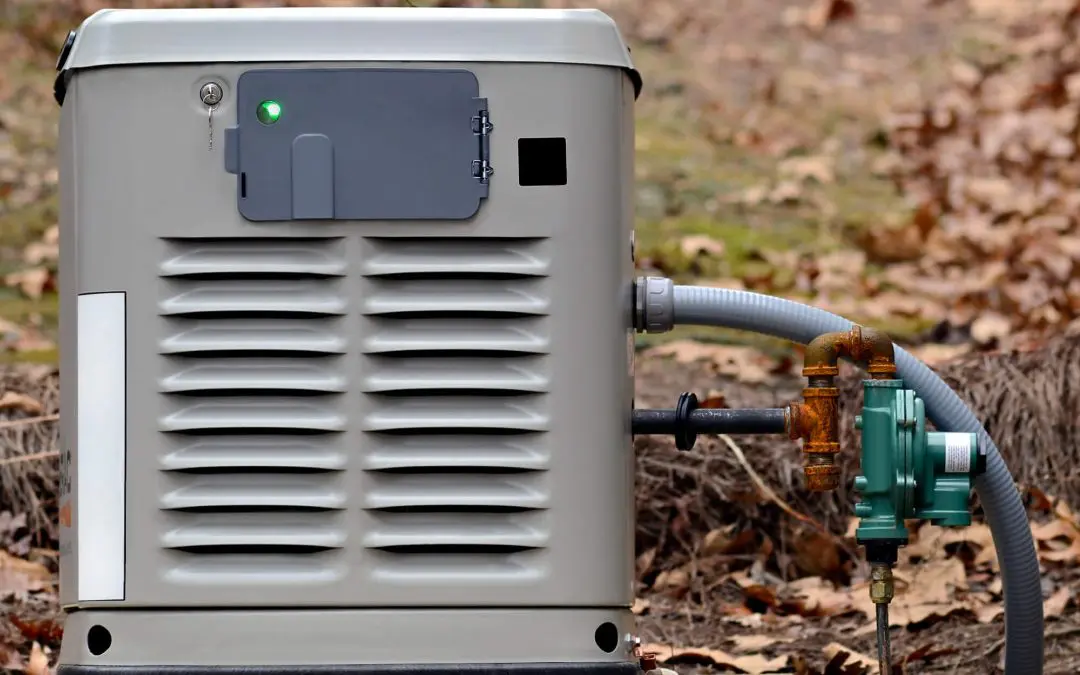
When a storm knocks out power for hours or days, a standby generator can keep your refrigerator cold, your sump pump running, and your family comfortable. Unlike a portable unit, it starts on its own and runs on natural gas or propane, so you don’t have to haul fuel or run cords in the rain. But a standby generator is a significant investment, and the details of sizing, placement, and installation matter. Here is what homeowners should understand before they buy, so the system works when you need it most. Choosing carefully now means fewer headaches during the next outage.
Decide What You Need to Power
Start by listing the items you want your standby generator to run during an outage. Essentials usually include the refrigerator, freezer, lights, furnace or air conditioner, well pump or sump pump, and phone chargers. Then add up the running and starting wattage of each. Whole-house units can power everything, but they cost more and need more fuel. A smaller unit with a load management panel can handle essentials for far less. Work with a licensed electrician to calculate your needs, because choosing the wrong size leads to overloads or wasted money. Think about medical equipment, home offices, and security systems too, since they may be critical for your household. Planning your priorities first keeps the project focused and affordable.
Choose the Right Standby Generator Size and Fuel
Home standby generators range from about seven kilowatts to more than twenty. Natural gas is convenient because it comes from the utility line, but supply can be interrupted in some emergencies. Propane stores well in a tank and burns cleanly, but you must keep it filled. Diesel is less common for homes. Consider the cost of fuel, the run time you need, and what is available at your address. A knowledgeable installer can recommend a model that fits your household and local codes. Think about noise as well, since most units produce a hum similar to a central air conditioner when running. Ask about warranty coverage and whether local dealers offer service plans. Reputable installers will also explain the maintenance schedule so you know what to expect after the sale.
Plan the Placement and Installation
A standby generator needs a safe, level spot outdoors. Codes generally require it to be several feet from windows, doors, and vents, so exhaust cannot enter the house, and the exact distance varies by location. The unit also needs a concrete or composite pad, a gas line, and an automatic transfer switch that connects it to your electrical panel. Permits and inspections are usually required. Hire a licensed professional to handle the installation, because a faulty connection can be dangerous to your family and to utility workers. Placement also affects maintenance access and noise, so think about where neighbors and windows are located. Your installer should also consider flood risk and storm exposure at the chosen spot. Ask for a written scope of work, including permits, so there are no surprises on the final bill.
Maintain Your Standby Generator Year-Round
Like any engine, a generator needs regular attention. Run a weekly exercise cycle, which most units do automatically, and check the oil, filter, and battery each year. Keep the area around the unit clear of leaves, snow, and debris. Schedule professional service annually, especially before storm season. Have carbon monoxide alarms on every level of your home, since generators produce the gas. Keep a log of service dates and fuel levels so you can spot trends. If your unit runs on propane, check the tank level each season, and test the transfer switch if your installer recommends it. A little attention keeps the generator ready for the moment you need it.
Frequently Asked Questions (FAQs)
How much does a standby generator cost?
Installed costs commonly range from several thousand dollars to well over ten thousand, depending on size, fuel type, and installation complexity.
How big of a standby generator do I need?
It depends on what you want to power. An electrician can calculate your load. Many households do well with a unit in the ten to twenty kilowatt range. A professional load calculation is worth the cost.
Can I install a standby generator myself?
It is not recommended. Gas and electrical connections must meet code, and permits are usually required.
How often should a standby generator be serviced?
At least once a year. Run it under a periodic exercise cycle and replace oil and filters as the manufacturer recommends. Keep the service records for warranty purposes.
Is a portable generator a better option?
Portable units cost less but require manual setup, fuel storage, and careful placement. A standby generator is more convenient and safer when installed properly. Many people choose a standby generator for long outages.
Reliable Real Estate Inspections, LLC provides home inspections to customers in Hilton Head and the surrounding areas. Contact us to request our services.