
Coastal home maintenance is a fundamentally different discipline than inland home maintenance. The pace at which the coastal environment degrades materials, corrodes metal, and tests every seal and surface is significantly more aggressive than standard maintenance schedules account for. The Hilton Head and Lowcountry coastal zone delivers salt air, high humidity, intense UV exposure, and seasonal storm activity that breaks down building materials faster and rewards proactive attention more dramatically than almost any other residential environment. Understanding what coastal home maintenance actually requires is the difference between a coastal property that ages gracefully and one that deteriorates faster than its owners anticipated.
The Coastal Home Maintenance Priority Most Homeowners Underestimate
Salt air deposits on every exposed surface, accelerates corrosion of every metal component, and degrades paint, sealant, and building materials at a rate inland environments don’t produce. Exterior hardware, such as door hinges, locksets, light fixtures, and fasteners, corrodes faster in coastal environments. Use marine-grade or stainless steel hardware where possible and inspect and replace corroding components before damage extends to adjacent building materials. The HVAC condensing unit is the system most vulnerable to salt air. Aluminum fins degrade significantly faster in coastal environments, and annual professional HVAC service that includes coil cleaning is the habit that most extends equipment service life. Rinsing the condensing unit with fresh water monthly during peak season removes salt accumulation between professional service visits.
Coastal Home Maintenance That Protects the Envelope
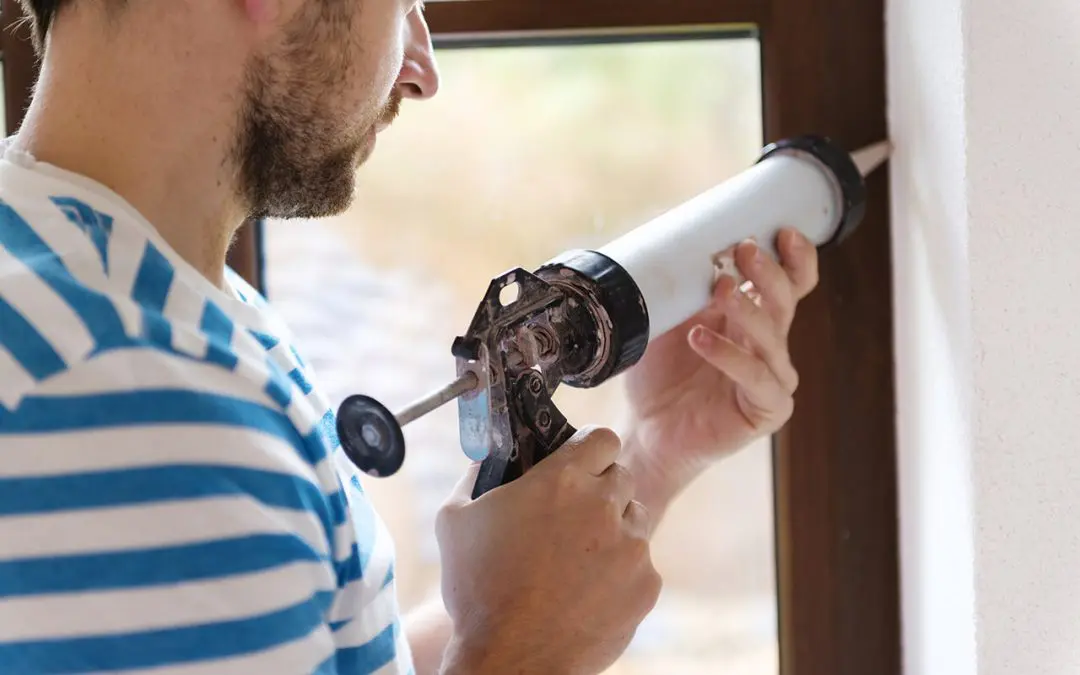
Exterior paint in a coastal environment has a shorter service life than inland recommendations. Salt air, UV intensity, and humidity cycling degrade the paint film faster, and paint inspection should happen annually rather than every few years. Any area where paint has cracked, peeled, or worn to bare substrate warrants prompt attention before moisture penetrates and begins the rot process that coastal conditions accelerate dramatically. Caulk and sealant inspection is the coastal home maintenance task with the highest return per hour invested. Failed caulk at window frames, door frames, and exterior penetrations in a coastal environment allows salt-laden moisture to enter the wall assembly where it degrades organic building materials far faster than it would inland. Inspecting every exterior seal annually and replacing any cracked or separated section with marine-grade sealant is the coastal home maintenance practice that most consistently protects the building envelope.
Roof and Drainage Systems That Manage Weather
The roof in a coastal environment faces UV degradation and storm exposure simultaneously. Maintenance for the roof means more frequent professional inspection than the standard inland interval. Annual inspection of roof condition, flashing integrity, and sealant around any roof-mounted equipment catches conditions that storm events create or worsen. After any significant weather event, a prompt roof inspection is the maintenance response that identifies storm damage while it’s still a repair rather than a replacement. Gutters in the coastal environment accumulate organic material from coastal vegetation in addition to the typical debris load; quarterly cleaning rather than the semi-annual inland schedule keeps the system clear and prevents the fascia rot and water management failures that coastal gutters are particularly susceptible to.
Frequently Asked Questions (FAQs)
How often should I paint the exterior of a coastal home?
Every five to seven years rather than the seven-to-ten-year inland recommendation. The indicator for repainting is condition, not calendar. Chalking, cracking, or bare substrate visible through worn areas warrant attention regardless of when the last paint job was completed.
What materials hold up best in a coastal home environment?
Fiber cement siding, pressure-treated or composite decking, marine-grade stainless steel hardware, and impact-resistant windows with marine-rated sealant perform significantly better than standard residential materials in coastal exposure. Maintenance is still required for all of them, but their baseline durability is substantially higher.
Is HVAC maintenance more critical for coastal homes?
Yes, condensing unit fins, electrical connections, and refrigerant line connections all corrode faster in salt air. Annual professional service is a minimum rather than a recommendation, and monthly fresh-water rinsing of the condensing unit during peak season is the low-cost habit that most extends equipment life between service appointments.
How does storm preparation fit into home maintenance?
It’s a recurring responsibility rather than a reactive event. Keeping trees trimmed back from the roofline, confirming shutters or impact windows are functional, ensuring roof fasteners and flashing are in good condition before storm season, and documenting home contents for insurance purposes are the storm preparation habits that help reduce physical and financial impact.
What is the most commonly neglected coastal home maintenance task?
Caulk and sealant inspection, because it’s easy to defer when nothing appears obviously wrong. Failed caulk in a coastal environment allows the salt-air moisture to enter the wall assembly continuously, degrading materials faster than the same intrusion would in a drier inland environment. A tube of marine-grade sealant and an afternoon of annual attention is the maintenance habit with the highest protective return per dollar invested.
Reliable Real Estate Inspections, LLC provides home inspections to customers in Hilton Head and the surrounding areas. Contact us to request our services.