
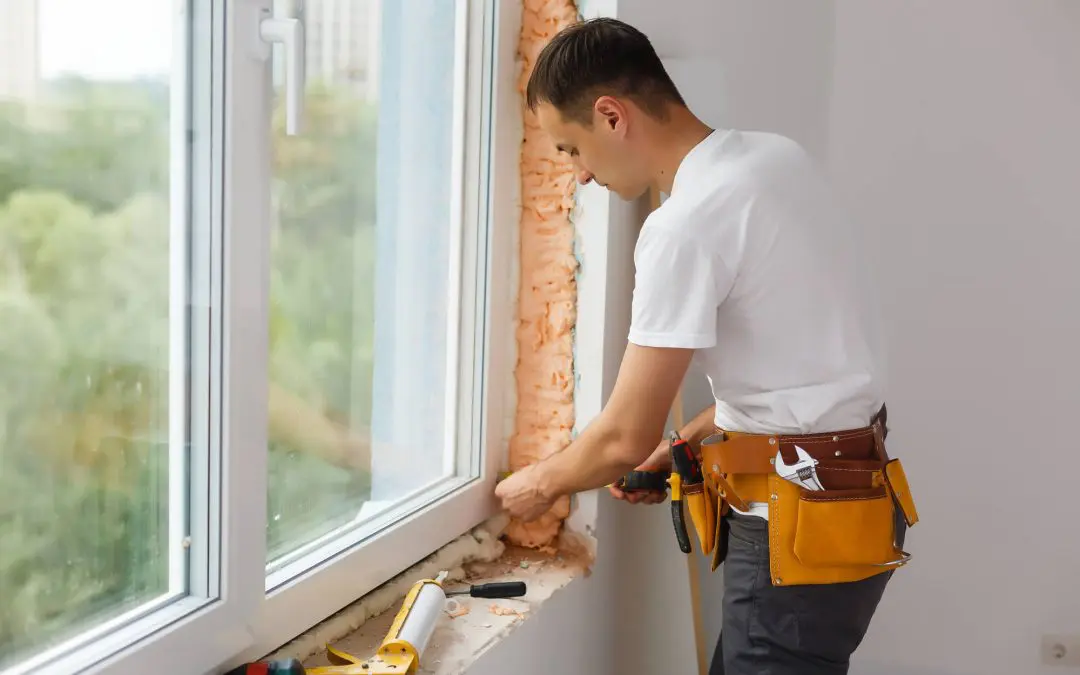
Knowing when to replace windows is one of the more consequential home maintenance decisions a homeowner faces, because they fail gradually in ways that quietly cost money, comfort, and home value over years before the need for replacement becomes undeniable. Most homeowners replace windows either too late, after years of energy loss and deterioration that could have been avoided, or react to high-pressure sales tactics and replace windows that still had serviceable life. Understanding the actual signals that indicate it’s time to replace windows puts you in a much better position to make a confident, well-timed decision.
The Signs That Tell You It’s Time to Replace Windows
Window replacement is warranted when the window’s functional performance has deteriorated beyond what maintenance can address. That distinction is the central question. The clearest signal that it’s time is visible fogging or condensation between the panes of an insulated unit. That milky, hazy appearance between double or triple-pane glass means the sealed insulating air space has failed. The seal failure cannot be reversed, the gas fill cannot be restored without replacing the glass unit, and the insulating value is permanently reduced. A fogged window can no longer do its primary job. Frames that are visibly rotted, warped, or pulling away from the rough opening are another clear indicator. Wood frames are particularly vulnerable to moisture over time, and rot that has progressed into the frame structure compromises both the window’s performance and the surrounding wall assembly. When a frame is soft to the touch, shows visible decay, or has separated from the surrounding trim and wall surface, the window needs replacing.
Reduced Energy Performance
Energy loss through old or single-pane windows is one of the most compelling reasons to replace windows in older homes, though it’s also the most frequently overstated in sales environments. Replacing windows purely for energy savings rarely produces a straightforward financial payback within a reasonable timeframe. However, in homes with original single-pane windows the difference in comfort between single-pane and modern double or triple-pane low-e windows is genuine and meaningful. Single-pane windows also allow heat to transfer into the home far more readily, making the air conditioning system work harder and making rooms near sun-exposed windows uncomfortably warm. Replacing them with modern insulated low-e units reduces solar heat gain, improves comfort, and takes meaningful load off the cooling system. For homeowners with double-pane windows that are drafty, the more likely culprit is failed weatherstripping or deteriorated caulking rather than the glass itself. These are maintenance issues, not replacement triggers.
When to Replace Windows Before Selling
Deciding whether to replace windows before selling requires a more specific calculation than simply whether the windows are old. Home inspectors will flag fogged glass, failed seals, rotted frames, and windows that don’t operate correctly, these inspection findings affect negotiation and buyer perception. Windows in these conditions are worth replacing before listing. Old but functional windows are a different situation. Cosmetically dated but operationally sound windows don’t produce the same buyer objection as failed windows, and the return on replacing functional windows solely for aesthetics is difficult to recover in most markets. The exception is higher-end homes where buyers expect upgraded finishes throughout, in that context, dated windows can be a meaningful detractor worth addressing before listing.
Frequently Asked Questions (FAQs)
How long do windows typically last before needing replacement?
Most quality windows have a functional lifespan of 20 to 25 years for the insulating seal, with frames lasting longer if properly maintained. Windows in harsh environments tend to reach the end of their service life sooner. Wood-frame windows maintained with regular painting and caulking can last significantly longer. Age alone isn’t a replacement trigger, condition is.
Is it worth replacing windows for energy savings?
Window replacement pays back primarily through comfort improvement and deferred maintenance rather than energy bill savings alone. The energy savings are real, but the dollar amount rarely covers the full replacement cost within commonly cited timeframes. The most accurate framing: you’ll pay less in energy costs than you would have otherwise and experience meaningfully better comfort, reduced solar heat gain, and less strain on your cooling system.
Can I replace just the glass unit without replacing the entire window?
In some cases, yes, if the frame is structurally sound, a glazing company can replace the insulated glass unit within the existing frame without full window replacement. This is most viable for wood-frame windows with high-quality original frames and can cost less than full replacement. It’s not available in all window configurations and may not be appropriate where the sash or operating hardware has also deteriorated.
What type of window is best when it’s time to replace?
The best choice depends on climate, architectural style, and maintenance tolerance. Vinyl windows are the most common replacement choice for their combination of low cost, low maintenance, and good insulating performance. Fiberglass offers superior dimensional stability at higher cost. Wood-clad windows with an exterior aluminum or fiberglass shell provide interior wood aesthetics with lower exterior maintenance, a good option in coastal environments where salt air accelerates deterioration of exposed wood. Look for low-e glass coating and a strong NFRC energy rating regardless of frame material.
Do I need permits to replace windows?
In most jurisdictions, like-for-like replacement does not require a permit, though requirements vary by municipality. Replacement that changes the opening size or involves fire-rated wall assemblies typically does require permitting. Check with your local building department before beginning, and note that unpermitted work can complicate future sales or refinancing. Licensed window contractors are generally familiar with local requirements and can advise accordingly.
Reliable Real Estate Inspections, LLC provides inspections to customers in Hilton Head and the surrounding areas. Contact us to request our services.