
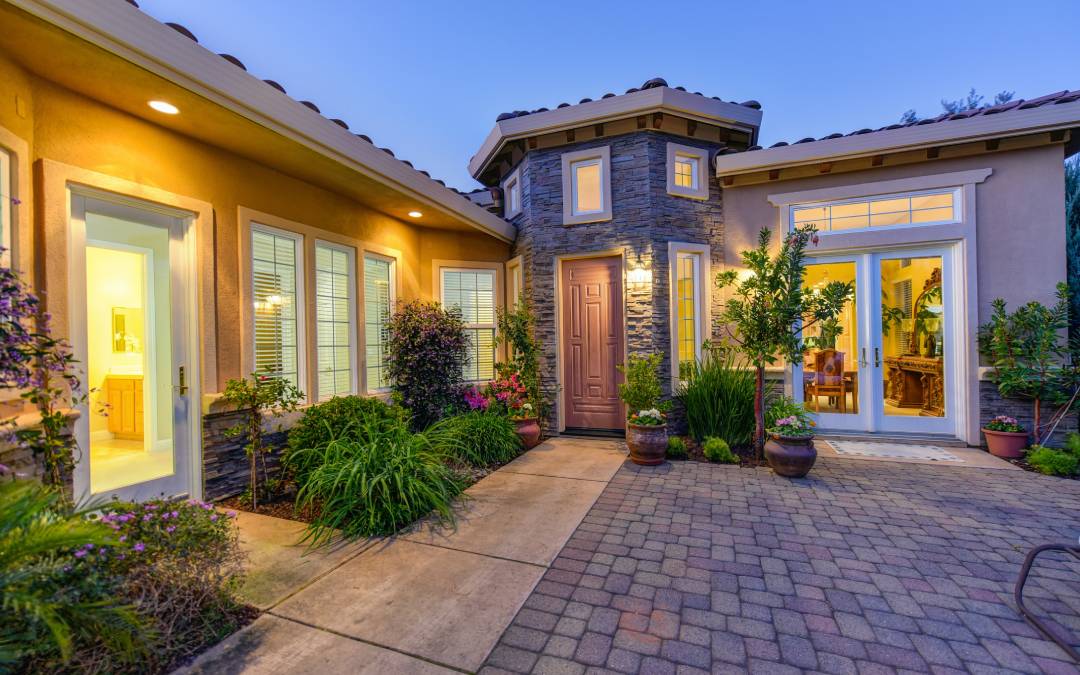
Exterior lighting is one of the most effective yet often overlooked ways to elevate a home’s appearance, security, and functionality. Thoughtfully designed lighting not only enhances curb appeal but also creates a welcoming atmosphere while improving safety after dark. Whether upgrading a current setup or starting from scratch, understanding the basics could make a noticeable difference in both style and practicality.
Why Exterior Lighting Matters More Than You Think
Exterior lighting plays a vital role in how a home is perceived at night. A well-lit exterior highlights architectural features, landscaping, and pathways, giving the property a polished and intentional look. Beyond aesthetics, exterior lighting significantly improves safety by reducing the risk of trips and falls and deterring potential intruders. Proper illumination around entry points, walkways, and dark corners adds a layer of security that homeowners value. Another benefit is usability. Outdoor spaces such as patios, decks, and gardens become functional even after sunset. With the right lighting, evenings outdoors can feel just as comfortable and inviting as daytime gatherings.
Choosing the Right Exterior Lighting Fixtures
Selecting the right fixtures is key to achieving a balanced look. Different types of exterior lighting serve different purposes, and combining them creates a layered effect. Wall-mounted lights near entrances provide essential illumination while adding character. Path lights guide movement and enhance landscaping features. Spotlights and floodlights draw attention to focal points like trees or architectural details. It’s important to consider the style of the home when choosing fixtures. Modern homes often pair well with sleek, minimal designs, while traditional homes benefit from classic lantern-style lighting. Material and finish also matter, as outdoor fixtures need to withstand weather conditions while maintaining their appearance over time.
Exterior Lighting Placement Tips for Maximum Impact
Placement is just as important as fixture selection. Strategic positioning ensures that lighting is both functional and visually appealing. Entryways should always be well-lit to provide visibility and a sense of security. Pathways benefit from evenly spaced lights that guide the way without overwhelming the space. Highlighting architectural features add depth and dimension to the home’s exterior. Uplighting can emphasize columns or textured walls, while downlighting creates a soft, natural glow. Balancing light and shadow prevents the space from feeling too harsh or overly bright. Avoid placing lights in positions where they shine directly into windows or create glare. The goal is to enhance the environment, not disrupt comfort.
Energy Efficiency and Smart Lighting Solutions
Modern exterior lighting options offer impressive energy efficiency. LED lights are a popular choice because they consume less power and last significantly longer than traditional bulbs. This makes them both cost-effective and environmentally friendly. Smart exterior lighting systems take convenience to another level. Timers, motion sensors, and app-controlled systems allow homeowners to customize lighting schedules and brightness levels. Motion-activated lights are particularly useful for security, as they activate only when movement is detected. Solar-powered lights are another option worth considering. They are easy to install and require no wiring, making them ideal for pathways and garden areas. While they may not be as powerful as wired systems, they provide a practical and sustainable solution.
Maintaining Your Exterior Lighting System
Regular maintenance guarantees that exterior lighting continues to perform effectively. Cleaning fixtures periodically prevents dirt and debris from reducing brightness. Checking for damaged wiring or burned-out bulbs helps maintain safety and functionality. Seasonal adjustments may also be necessary. As landscaping grows or changes, lighting angles and positions might need to be updated to maintain the desired effect. Keeping fixtures in good condition not only extends their lifespan but also preserves the overall look of the home.
Common Mistakes to Avoid
One common mistake is over-lighting. Too much brightness could create a harsh and uninviting atmosphere. Instead, aim for a balanced approach that enhances rather than overwhelms. Another issue is inconsistent design. Mixing too many styles or finishes will make the exterior look disjointed. Sticking to a cohesive theme ensures a polished appearance. Ignoring energy efficiency is also a missed opportunity. Choosing outdated lighting solutions could lead to higher energy costs and more frequent replacements.
Frequently Asked Questions (FAQs)
How bright should exterior lighting be?
Exterior lighting should provide enough illumination for safety and visibility without being overly harsh. Soft, warm lighting is often preferred for residential settings, while brighter lights can be used for security purposes in specific areas.
What is the best type of bulb for exterior lighting?
LED bulbs are widely considered the best option due to their energy efficiency, long lifespan, and durability in various weather conditions.
How can exterior lighting improve home security?
Exterior lighting deters unwanted activity by eliminating dark areas where intruders might hide. Motion-sensor lights are especially effective because they activate instantly when movement is detected.
Is solar lighting reliable?
Solar lighting can be reliable for certain applications, like pathways and garden accents. However, performance depends on sunlight exposure, so they may not be ideal for all areas.
How often should exterior lighting be maintained?
Basic maintenance should be done every few months, including cleaning fixtures and checking for any issues. Seasonal inspections are also recommended to ensure optimal performance.
Reliable Real Estate Inspections, LLC provides inspections to customers in Hilton Head and the surrounding areas. Contact us to request our services.